

Women arousal therapy is one of the most under-discussed treatments in sexual medicine, largely because the problem it solves gets collapsed into a different one. Most conversations about women’s sexual health default to desire — wanting sex, or not. Arousal is a separate physiological event, it has its own failure modes, and it has a treatment that works quickly enough that you know within a couple of tries whether it is your answer.
This article covers what a compounded arousal topical does, how fast, what it will not fix, and how it compares to the other options.
What Women Arousal Therapy Does — and What It Does Not
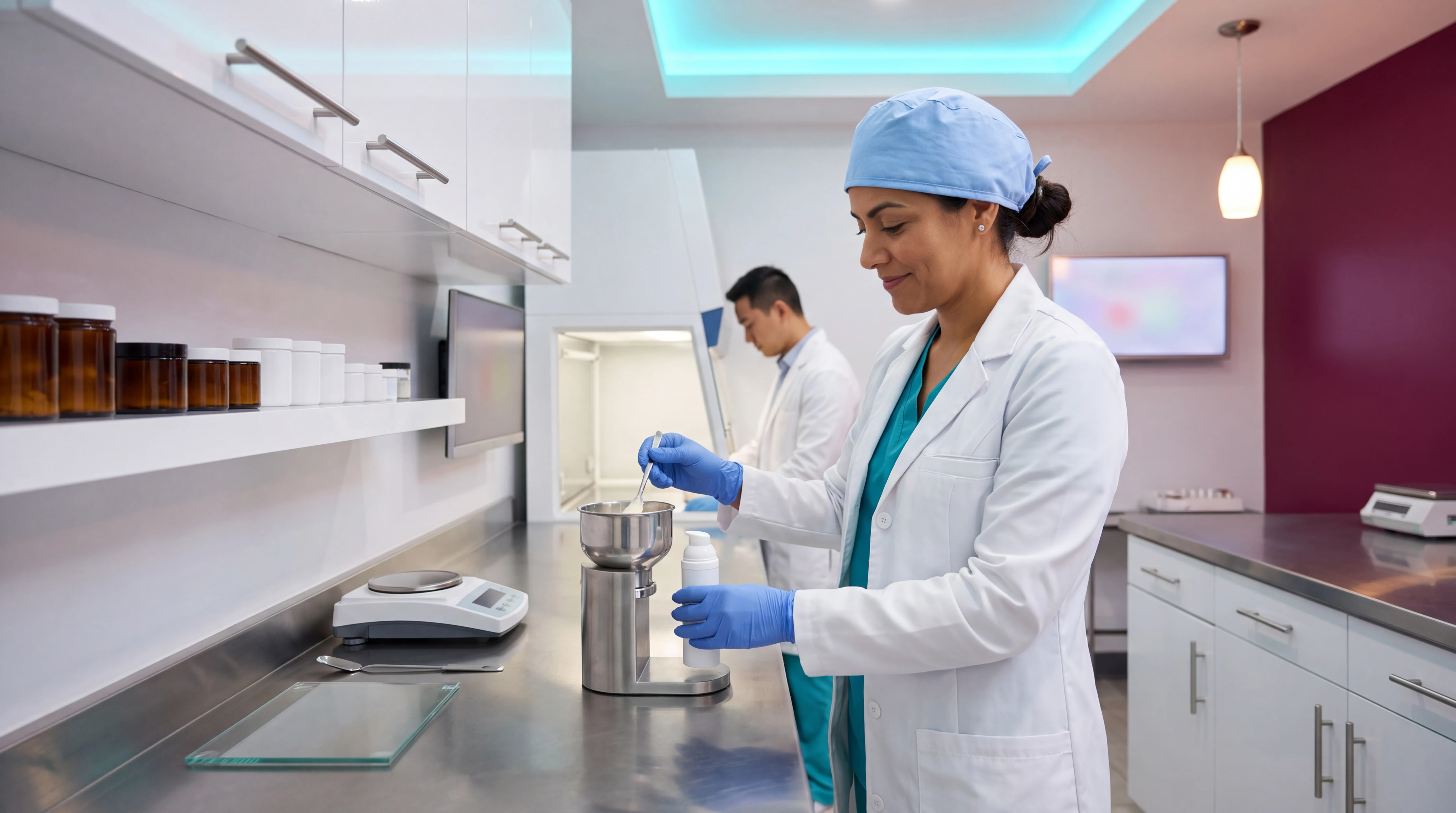
A compounded arousal topical is applied directly to the vulva and clitoris, typically 20 to 30 minutes before activity. The actives are vasodilators, and the mechanism is local: increase blood flow to the genital tissue, and you increase engorgement of the clitoris and vestibular bulbs, natural lubrication, and sensitivity.
Formulations vary because they are compounded to the patient, but the ingredient families are consistent:
- Sildenafil or tadalafil — PDE5 inhibition, the same pathway used in male erectile medications, applied locally rather than systemically.
- L-arginine — a nitric oxide precursor, supporting the same vasodilatory pathway upstream.
- Aminophylline or pentoxifylline — smooth muscle relaxation and improved microcirculation.
- Alprostadil — a prostaglandin E1 analogue and the most potent vasodilator in the group; the topical form has the most direct clinical trial evidence in women with arousal disorder (1).
- Testosterone, in some formulations, at very low concentration for local tissue effect.
What this does not do is create desire. If the problem is that interest never arrives, a cream that improves blood flow to tissue you are not motivated to use will not help. That distinction is the single most useful thing to get right before spending money on any of this.

Desire Versus Arousal: Sorting Which One You Have
The clinical vocabulary here is genuinely useful, so it is worth a moment.
Desire is the motivational component — interest, receptivity, the presence of sexual thoughts. Low desire that causes distress is classified as hypoactive sexual desire disorder, and it is the more common of the two complaints.
Arousal is the physiological response — genital vasocongestion, lubrication, sensitivity, the ability to build toward orgasm. Female sexual arousal disorder describes the situation where interest is present, stimulation is adequate, and the body response is absent, slow or insufficient.
A simple way to separate them: when you are interested and the situation is right, does your body respond? If yes but you are rarely interested, that is desire. If you are interested and the response is muted, slow or fades, that is arousal. If neither, both need addressing, usually in that order.
Common drivers of blunted arousal specifically:
- SSRIs and SNRIs, one of the most frequent causes we see, and one where a topical is particularly useful because it works around the medication rather than requiring a change to it.
- Genitourinary syndrome of menopause — thinning, less vascular tissue after estrogen decline, which reduces the substrate the topical is working on.
- Vascular and metabolic factors — hypertension, diabetes, smoking, all of which affect small-vessel function in genital tissue much as they do elsewhere.
- Pelvic floor dysfunction and post-surgical or post-partum changes.
- Low free testosterone, which contributes to both arms of the problem.
The Results Timeline
This is the part that makes arousal therapy unusual: it is fast.
| When | What to expect |
|---|---|
| First use | Applied 20–30 minutes before. Warmth and increased sensitivity are the first things most women notice. |
| First or second use | If you are a responder, you know by now. This is not a treatment that needs four weeks to declare itself. |
| Two to three good attempts | Enough to decide. Properly timed, no response across three attempts means the limiting factor is elsewhere. |
| Ongoing | On-demand use. No daily dosing, no accumulation, no taper. |
Compare that with a systemic desire treatment, where flibanserin is taken nightly and typically needs eight weeks before efficacy can be judged. The speed of the topical is a diagnostic asset, not just a convenience — it tells you quickly whether blood flow was ever the problem.
Two caveats worth stating. First, not everyone responds; the honest framing is that a topical addresses one specific mechanism, and if that mechanism was not the bottleneck it will not do much. Second, a good result depends on adequate stimulation and a context you actually want to be in. No topical substitutes for either.
How It Compares to the Other Options
| Treatment | Targets | Timing | Notes |
|---|---|---|---|
| Compounded arousal topical | Genital blood flow, sensitivity | On demand, 20–30 min before | Compounded, not an FDA-approved product; fast to test |
| Bremelanotide (PT-141) | Desire, centrally via melanocortin receptors | On demand, 45 min before | FDA-approved for HSDD in premenopausal women; injectable |
| Flibanserin | Desire, via serotonin and dopamine pathways | Nightly, judged at 8 weeks | FDA-approved; alcohol interaction and daily dosing |
| Testosterone for women | Desire and arousal, systemic | 8–12 weeks to full effect | Supported by international consensus for postmenopausal HSDD (2); dosed low, monitored |
| Local vaginal estrogen | Tissue health, lubrication, comfort | 4–12 weeks | The right first move when the problem is dryness or pain rather than sensation |
These are not mutually exclusive, and combinations are common. A woman with genitourinary syndrome of menopause and blunted arousal often needs local estrogen to restore the tissue and a topical to improve the response from it — treating either alone under-performs. We cover the desire side in PT-141 for sexual health, and the hormonal side in can women take testosterone.
What the Consult Should Cover
If a clinic will write you a compounded arousal cream without doing the following, it is selling a product rather than treating a condition.
A structured history separating desire from arousal from pain from orgasm difficulty. Four different problems, four different treatment paths, and they are routinely conflated.
A medication review. SSRIs, SNRIs, some antihypertensives, hormonal contraceptives and antihistamines all affect this. Sometimes the highest-yield intervention is a medication change, not an addition.
Labs. Free and total testosterone, SHBG, estradiol, a full thyroid panel and prolactin. Thyroid disease and hyperprolactinaemia both present this way and both are straightforwardly treatable once found.
An examination, where indicated, for tissue atrophy, pelvic floor tone and any anatomical contributor. This is the step most often skipped and the one that catches genitourinary syndrome of menopause.
A plan for what happens if it does not work, which should already be mapped before you start.

The Honest Limitations
Compounded topicals do not have the evidence base of an FDA-approved drug. Topical alprostadil has randomised trial support in women with arousal disorder (1), and topical sildenafil has supportive but smaller data (3); the specific multi-ingredient combinations most clinics compound have not been trialled as combinations. That is a real limitation and it should be said out loud rather than buried.
What makes it a reasonable option anyway is the risk-benefit shape. The actives are established medications, the dose is local and small, the exposure is on-demand rather than continuous, and the answer arrives in days rather than months. When a treatment is cheap to test and quick to falsify, trying it before more invasive options is a defensible sequence.
It also does not fix a relationship, a resentment, or exhaustion. Those are genuinely common contributors and no prescription addresses them. A good clinician will say so.
Why Arousal Changes With Age, and What Actually Reverses It
Arousal is a vascular event happening in tissue that is hormone-dependent, so it is exposed to both of the things that change with age.
The vascular half is the same story as everywhere else in the body. Genital tissue is supplied by small vessels, and small-vessel function declines with hypertension, insulin resistance, elevated lipids and smoking. Women often notice this as a gradual change: the response is still there but slower and less complete, and it takes more stimulation to reach the same place. A topical vasodilator addresses this half directly, which is why it tends to work best in exactly this group.
The hormonal half is estrogen and testosterone. Estrogen maintains the thickness, elasticity and vascularity of vulvovaginal tissue; when it falls, the tissue itself becomes a poorer substrate, and dryness and discomfort often arrive before any change in sensation is noticed. Testosterone contributes to both desire and the sensitivity of genital tissue, and it declines steadily from the thirties onward rather than dropping at menopause.
This is why sequencing matters. Applying a vasodilator to atrophic tissue is asking a good drug to work on a poor substrate. Restoring the tissue with local estrogen first, then adding the topical, is the order that works — and in practice a fair number of women find that the first step alone was sufficient.
Using It Well
Small practical points that make a large difference to whether a topical works:
- Respect the timing. Twenty to thirty minutes, not five. Applied immediately before, most formulations have not absorbed and the vasodilation has not happened yet. This is the single most common reason a first trial disappoints.
- Apply to the right place. The clitoris and surrounding vestibular tissue, not internally. The target is the erectile tissue.
- Use the smallest effective amount. More does not produce more; it mostly produces transfer to a partner and unwanted warmth.
- Give it three fair attempts in circumstances you would otherwise expect to work, before drawing a conclusion.
- Report what happened, specifically. “Nothing” and “some warmth but no change in sensation” point in different directions and lead to different next steps.
Where to Start
The first appointment is a conversation and a lab draw, not a prescription. Sorting desire from arousal takes twenty minutes and determines everything that follows.
Our approach is described on the topical arousal therapy page, and the broader workup on female sexual health. If hormones are likely part of the picture, can women take testosterone is the useful next read.
If your body is not responding the way it used to, that is a clinical question with clinical answers. Book a consult with our Miami team.
Medical disclaimer: This article is for educational purposes only and is not a substitute for professional medical advice, diagnosis, or treatment. Compounded medications are prepared for an individual patient and are not FDA-approved products. Consult a qualified clinician before starting any new treatment.
Sources
- Padma-Nathan H, Brown C, Fendl J, et al. Efficacy and safety of topical alprostadil cream for the treatment of female sexual arousal disorder: a double-blind, multicenter, randomized, placebo-controlled clinical trial. Journal of Sex & Marital Therapy. 2003;29(5):329–344.
- Davis SR, Baber R, Panay N, et al. Global Consensus Position Statement on the Use of Testosterone Therapy for Women. The Journal of Clinical Endocrinology & Metabolism. 2019;104(10):4660–4666.
- Berman JR, Berman LA, Toler SM, et al. Safety and efficacy of sildenafil citrate for the treatment of female sexual arousal disorder. The Journal of Urology. 2003;170(6 Pt 1):2333–2338.
- Parish SJ, Hahn SR, Goldstein SW, et al. The International Society for the Study of Women’s Sexual Health Process of Care for the Identification of Sexual Concerns and Problems in Women. Mayo Clinic Proceedings. 2019;94(5):842–856.
Frequently Asked Questions
How long does arousal cream take to work?
Most compounded arousal topicals are applied 20 to 30 minutes before activity, and women who respond usually notice the effect on the first or second use. It is an on-demand treatment rather than a daily one, so there is no loading period and no waiting weeks to find out whether it works for you. If two or three properly timed attempts produce nothing, that is useful information — it usually means the limiting factor is desire, hormones or tissue health rather than blood flow.
What is the difference between low desire and low arousal?
Desire is wanting to; arousal is your body responding when you do. Low desire means interest is absent or rarely spontaneous. Low arousal means the interest is there but the physical response — lubrication, engorgement, sensitivity, the ability to build toward orgasm — is muted or slow. They frequently occur together and they respond to completely different treatments, which is why sorting them out is the first thing a consult should do.
Is topical arousal therapy FDA approved?
The individual active ingredients are FDA-approved medications, but the compounded topical combination is prepared by a licensed compounding pharmacy for a specific patient and is not itself an FDA-approved product. That is normal for compounded prescriptions and it is also a real limitation: compounded formulations do not carry the large trial datasets a branded product would. The approved options for female sexual dysfunction — flibanserin and bremelanotide — treat desire rather than arousal.
Can I use arousal cream if I am on hormone therapy or an antidepressant?
Usually yes, and both are common reasons women come in. SSRIs are one of the most frequent causes of blunted arousal and delayed orgasm, and a topical addresses the local half of that problem without touching the antidepressant. Women on systemic or vaginal hormone therapy can generally use a topical alongside it. Everything depends on your specific medication list, which is why this needs a prescriber rather than an online order form.
Will my partner feel anything from the cream?
There can be transfer, and depending on the formulation a partner may notice mild warmth or tingling. Most formulations absorb well within the application window, and allowing the full 20 to 30 minutes before contact largely resolves it. Tell your prescriber if it is a concern — the base and the actives can both be adjusted.
What if the cream does not work for me?
That is a meaningful result, not a dead end. A topical works on local blood flow, so a non-response points the workup elsewhere: a hormone panel including free testosterone, SHBG, estradiol, thyroid and prolactin; a look at genitourinary tissue health, which is very common after menopause and responds well to local estrogen; a medication review; and an honest conversation about desire, which may call for a systemic treatment instead. Roughly speaking, the topical answers one question quickly and cheaply.
More in sexual health
Low Testosterone Sex Drive: Is Low T Really the Cause?
A low testosterone sex drive is common, but testosterone is only one of several causes. How to tell which one is yours, what to test, and what treatment can change.
sexual healthTrimix Miami: Results, Titration, and Getting Started
Trimix Miami care starts with in-office titration, not a mail-order vial. Here is what results look like, how the dose is found, and what the first appointment involves.
sexual healthCan Women Take Testosterone? Benefits, Safety, and What to Know
Why women need testosterone, symptoms of low T in women, benefits of low-dose TRT, safety, and how Rewind Miami approaches female hormone therapy.
⚕ Medical Disclaimer
The information on this page is for educational purposes only and does not constitute medical advice, diagnosis, or treatment. All treatments at Rewind Anti-Aging of Miami are performed under the supervision of licensed medical professionals. Individual results may vary. Consult your physician before beginning any new treatment protocol.
Meet our clinical team →Not sure which treatment is right for you?
Take our free 2-minute assessment and get a personalized recommendation.
Areas We Serve in Miami & South Florida
Our clinic at 24 NW 29th Street is in Wynwood & Midtown, minutes from Edgewater and Brickell. We also care for patients across Coral Gables, Aventura, Key Biscayne, and Doral — plus the entire state of Florida via telehealth.
Take the Next Step
Our team at Rewind Anti-Aging in Miami is here to help you determine if female sexual health treatment is right for your goals.