
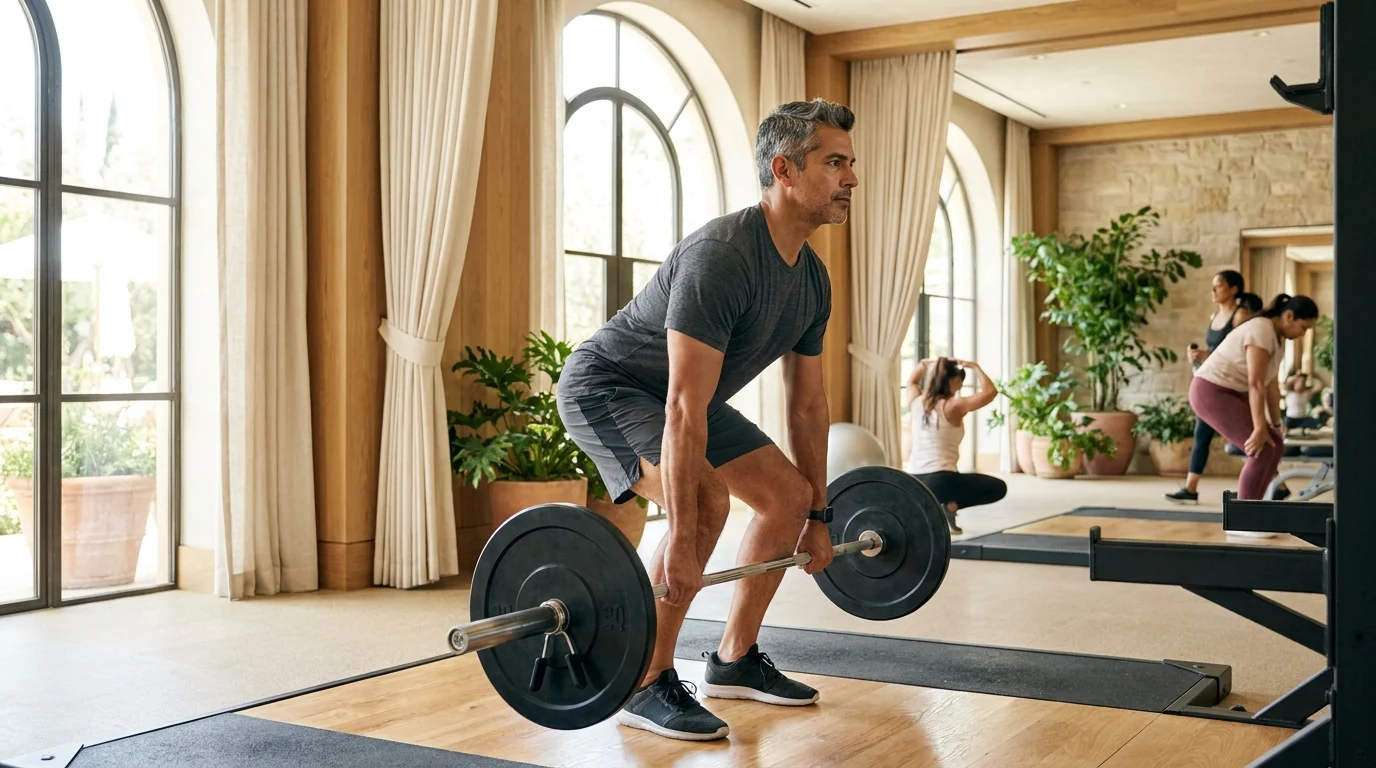
Strength training for longevity may be one of the highest-return investments you can make in how well — and possibly how long — you live. After 40, the body quietly begins shedding muscle, and that loss is associated with frailty, falls, metabolic problems, and higher mortality risk in older adults. Resistance training is one of the few interventions that directly pushes back against this decline, and the evidence suggests it influences nearly every system tied to healthspan: muscle, bone, metabolism, and balance. If you do only one thing to age better, building and keeping muscle is a strong candidate.
Why Strength Training for Longevity Beats Almost Everything Else
The phrase “healthspan” describes the years you live in good function — strong, mobile, and independent — rather than simply the number of years on the calendar. Strength training maps onto healthspan with unusual directness. While many longevity strategies are still debated, the link between muscle, strength, and resilient aging is one of the more consistent themes in the research literature (1).
What makes resistance training stand out is its breadth. A single intervention is associated with benefits across muscle mass, bone density, glucose regulation, balance, and even mood and cognition in some studies (2). Few other habits touch so many systems at once, which is why many clinicians who focus on longevity treat it as foundational rather than optional.
The Quiet Decline: Sarcopenia and Why It Matters
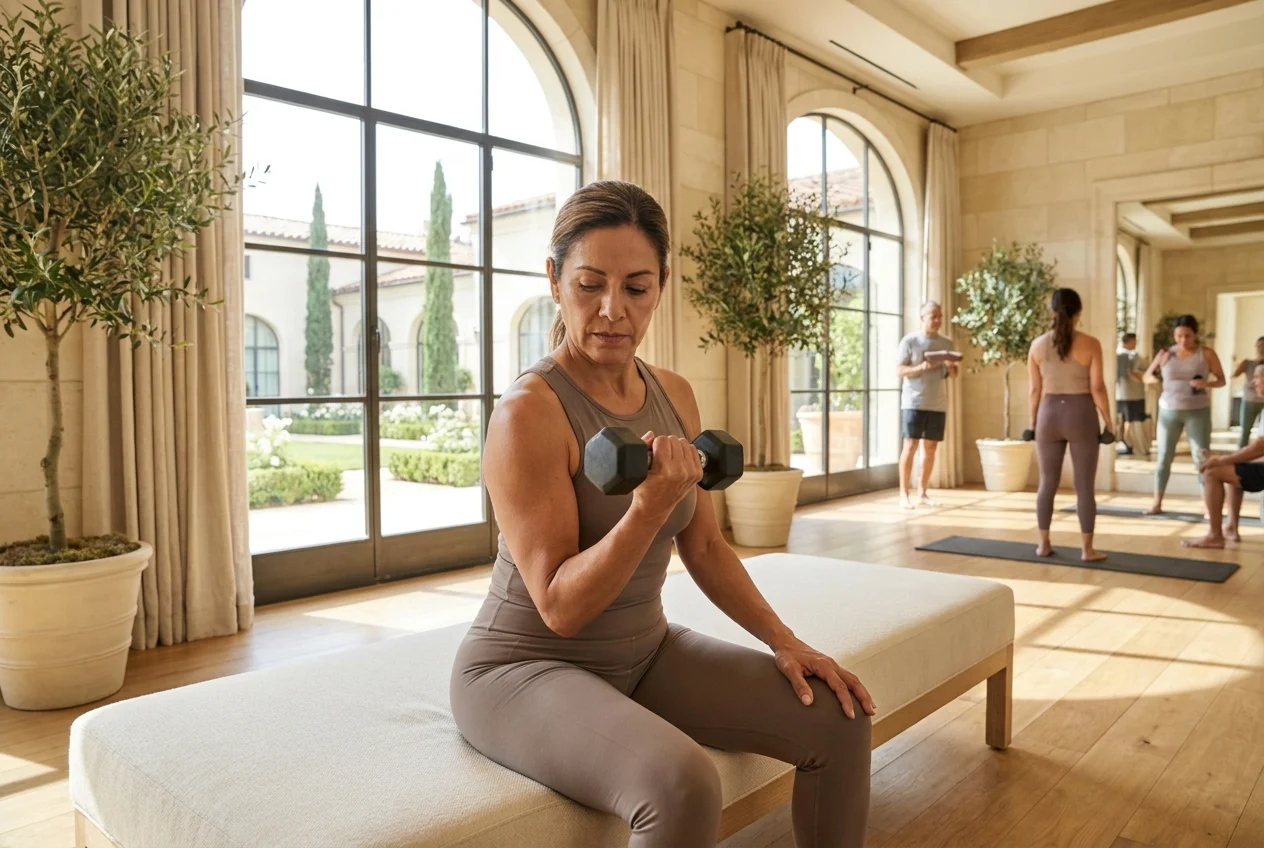
Beginning somewhere in the third or fourth decade of life, adults tend to lose muscle mass and strength gradually — a process that accelerates with age and is broadly referred to as sarcopenia. Estimates vary, but research suggests adults may lose a meaningful percentage of muscle mass per decade after roughly age 30, with strength often declining even faster than size (1).
This matters for several reasons:
- Mortality. Lower muscle mass and lower strength have been associated with higher all-cause mortality in observational studies, though association does not prove causation (3).
- Falls and fractures. Weaker muscles and poorer balance raise the risk of falls, and falls are a leading cause of serious injury in older adults. Maintaining lower-body strength is associated with reduced fall risk in several reviews (2).
- Metabolic health. Muscle is a primary site for glucose disposal. As muscle declines, insulin sensitivity can suffer, which studies link to a higher risk of metabolic dysfunction (4).
- Independence. Everyday tasks — climbing stairs, carrying groceries, rising from a chair — depend on strength and power that erode silently until they suddenly limit daily life.
The encouraging counterpoint is that this decline is not purely a one-way street. Research suggests muscle remains adaptable into older age, and resistance training can rebuild strength even in adults in their 70s and 80s (5).
What the Evidence Suggests About Resistance Training and Healthspan
The body of research on resistance training and aging is large and still growing, but several themes recur:
Muscle and Strength
Progressive resistance training is consistently associated with gains in muscle size and strength across age groups, including older adults (5). These gains are not just cosmetic — greater strength is tied to better physical function and, in some studies, lower mortality risk.
Bone Density
Mechanical loading from resistance training appears to stimulate bone. Studies suggest that weight-bearing and resistance exercise may help preserve or modestly improve bone mineral density, which is relevant to fracture prevention as we age (2).
Metabolic Markers
Resistance training is associated with improvements in insulin sensitivity and glucose handling in many studies, likely because trained muscle absorbs glucose more readily (4). For people focused on long-term metabolic health, this is a meaningful lever.
Function, Balance, and Cognition
Beyond raw strength, resistance training is associated with better balance, gait speed, and physical function — all predictors of independent aging. Some research also points to associations with cognitive and mood benefits, though this evidence is more preliminary (2).
It’s worth hedging here: much of this literature is observational or based on shorter-term trials, and individual responses vary. But the overall direction is consistent enough that resistance training is widely recommended in healthy-aging guidelines.
How to Start Strength Training After 40

If you’re beginning or restarting resistance training in midlife, the goal is steady, sustainable progress — not heroics. A few principles cover most of what matters.
Train 2–3 Times Per Week
General guidance suggests strength training all major muscle groups at least twice weekly. Two to three sessions per week is a practical sweet spot for most people, leaving room for recovery and other activity. Consistency over months and years matters far more than any single workout.
Use Compound Lifts
Multi-joint, compound movements give you the most return per minute because they train several muscle groups and mimic real-life patterns:
- Squat or leg press (lower body)
- Hinge — deadlift or hip-hinge variations (posterior chain)
- Push — pressing movements (chest, shoulders, triceps)
- Pull — rows and pulldowns (back, biceps)
- Carry — loaded carries for grip and core stability
These patterns cover the body efficiently and translate directly to daily function.
Apply Progressive Overload
The engine of adaptation is progressive overload: gradually asking your muscles to do slightly more over time — a little more weight, an extra repetition, or better control. Research suggests both heavier loads and lighter loads taken close to fatigue can drive gains, so you have flexibility based on your joints, experience, and preferences. Start conservatively, prioritize good form, and add load patiently.
Respect Recovery
After 40, recovery deserves more attention than it did at 25. Leave roughly a day between sessions that train the same muscles, prioritize sleep, and make sure you’re eating enough protein — adequate protein intake is associated with better preservation of muscle as we age. If a movement causes joint pain (as opposed to normal muscular effort), modify it rather than push through.
Don’t Skip the Cardio
Strength work and cardiorespiratory fitness are complementary, not competing. Pairing resistance training with aerobic exercise supports both sides of the longevity equation and rounds out the biomarkers discussed below.
Tying Strength to Longevity Biomarkers
One reason resistance training fits naturally into a longevity program is that it moves measurable markers — numbers you can track over time rather than vague feelings of fitness.
Grip strength is frequently used in research as a simple proxy for total-body strength, and lower grip strength has been associated with worse health outcomes in older populations (3). It’s quick to measure and easy to retest, which makes it a useful longitudinal marker.
VO2 max reflects cardiorespiratory fitness and is one of the more robust predictors of long-term health in the exercise-physiology literature. While VO2 max is driven mainly by aerobic training, a body that’s strong and well-muscled supports the work capacity that aerobic fitness depends on.
At Rewind, we view these markers as part of a larger picture that can include body composition, hormones, and metabolic labs. Resistance training is one of the most reliable ways to nudge that picture in the right direction, and it pairs naturally with the kind of personalized approach described in our longevity protocol.
Where Strength Training Fits in a Broader Longevity Plan
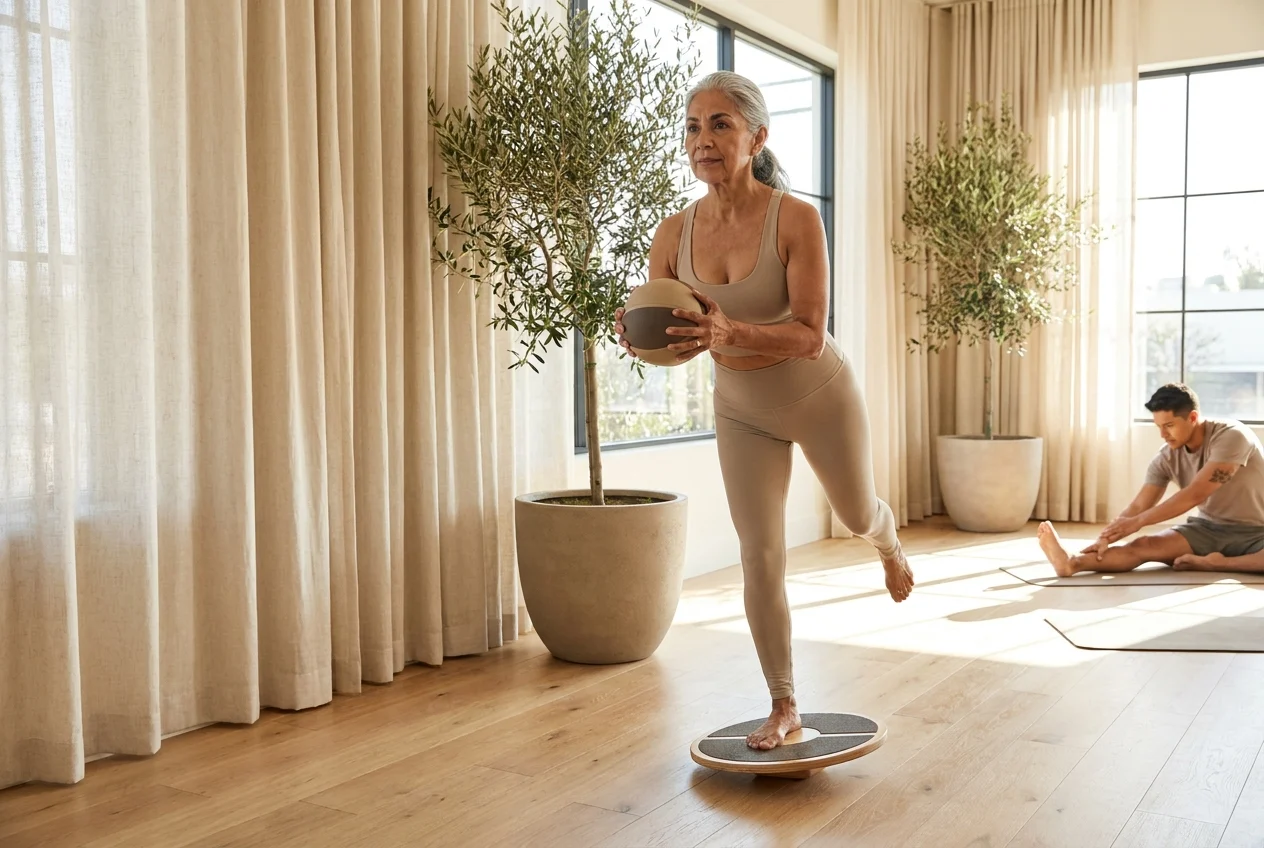
Strength training is foundational, but it works best alongside the other pillars of healthy aging — sleep, nutrition, stress management, and, where appropriate, addressing hormonal and metabolic factors. If you want to go deeper on the science of aging itself, our guide on how to slow biological aging puts resistance training in context with other interventions. And if you’re navigating midlife specifically, anti-aging in your 50s covers how priorities shift decade by decade.
The throughline is simple: muscle is not just about appearance or athletic performance. It’s metabolic insurance, fall protection, and one of the clearest, most actionable levers you have for aging well.
If you’re in the Miami area and want help building a longevity plan that includes the right kind of strength work — measured against your own biomarkers — we’d welcome a conversation. A Rewind longevity consult can help translate this general guidance into a program tailored to your labs, history, and goals.
This article is for general educational purposes only and is not medical advice. Talk with a qualified healthcare provider before beginning a new exercise program, especially if you have existing medical conditions.
Sources
- Cruz-Jentoft, A. J., et al. “Sarcopenia: revised European consensus on definition and diagnosis.” Age and Ageing, 2019.
- World Health Organization. “WHO guidelines on physical activity and sedentary behaviour.” 2020.
- Leong, D. P., et al. “Prognostic value of grip strength: findings from the Prospective Urban Rural Epidemiology (PURE) study.” The Lancet, 2015.
- Westcott, W. L. “Resistance training is medicine: effects of strength training on health.” Current Sports Medicine Reports, 2012.
- Fiatarone, M. A., et al. “High-intensity strength training in nonagenarians: effects on skeletal muscle.” JAMA, 1990.
Frequently Asked Questions
How often should I strength train for longevity?
Most general guidelines suggest resistance training at least 2 times per week, working all major muscle groups. Many people who train for longevity aim for 2–3 sessions weekly, with at least one rest day between sessions targeting the same muscles to allow recovery.
Is it safe to start strength training after 40 or 50?
For most healthy adults, resistance training is considered safe and beneficial well into older age, and studies suggest meaningful gains are possible at any age. If you have heart disease, joint problems, or other medical conditions, it's wise to check with a clinician before starting.
Do I need heavy weights to benefit?
Not necessarily. Research suggests that both heavier loads and lighter loads taken close to fatigue can build strength and muscle. The key principle is progressive overload — gradually asking your muscles to do a little more over time.
How does strength training relate to longevity biomarkers like grip strength and VO2 max?
Grip strength is often used as a simple proxy for whole-body strength and has been associated with health outcomes in research. VO2 max reflects cardiorespiratory fitness. Resistance training supports the muscle side of this picture, and pairing it with cardio rounds out both markers.
Can strength training help with weight and metabolism?
Muscle is metabolically active tissue, and maintaining or building it may support metabolic health. Studies associate resistance training with improvements in markers such as insulin sensitivity, though results vary by individual and program.
More in wellness
The Rewind Anti-Aging Story: Why We Built This Clinic
The Rewind Anti-Aging story starts with a failing engineer in his mid-40s — and the gap in care that turned a personal fix into a Miami practice.
wellnessSnowbird Wellness Miami: Care That Travels With You
How seasonal residents keep hormone therapy, labs, and longevity care continuous across two states — and what to set up before you fly south or north.
wellnessLongevity Clinic Miami: What to Expect and How to Choose
A longevity clinic Miami guide: what a real workup measures, how long results take, what pricing looks like, and the four questions that sort medicine from marketing.
⚕ Medical Disclaimer
The information on this page is for educational purposes only and does not constitute medical advice, diagnosis, or treatment. All treatments at Rewind Anti-Aging of Miami are performed under the supervision of licensed medical professionals. Individual results may vary. Consult your physician before beginning any new treatment protocol.
Meet our clinical team →Not sure which treatment is right for you?
Take our free 2-minute assessment and get a personalized recommendation.
Areas We Serve in Miami & South Florida
Our clinic at 24 NW 29th Street is in Wynwood & Midtown, minutes from Edgewater and Brickell. We also care for patients across Coral Gables, Aventura, Key Biscayne, and Doral — plus the entire state of Florida via telehealth.
Take the Next Step
Our team at Rewind Anti-Aging in Miami is here to help you determine if the Rewind Longevity Protocol is right for your goals.